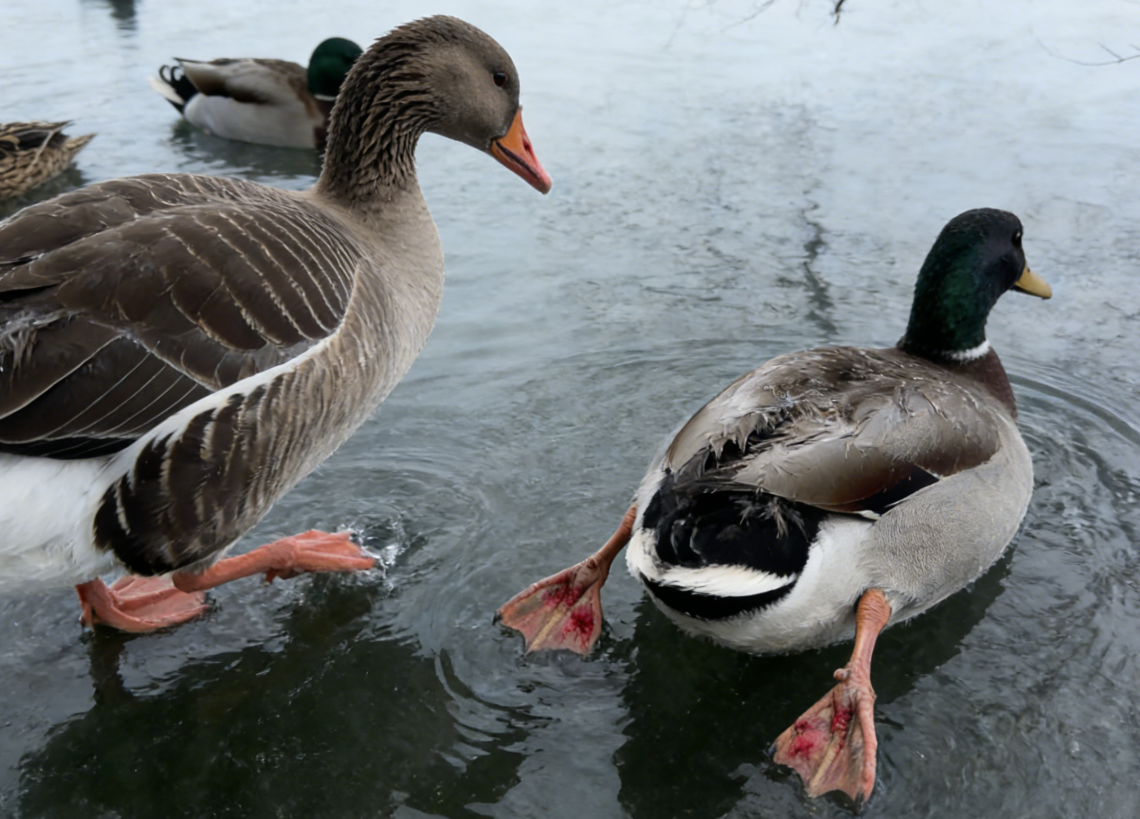
During winter when temperatures drop, ducks and geese are highly susceptible to webbing frostbite and abnormal secretion of the caudal fat gland when exposed to ice water or prolonged outdoor activities. These conditions not only impair their growth and development but may also induce diseases such as colds and diarrhea.
II. Targeted Prevention and Control Measures.
1. Reduce ice-water contact and implement physical protection measures. ◦ When water temperature is below 5°C, outdoor water entry by ducks and geese is prohibited; if necessary, strictly limit the duration of water entry and select periods with higher midday temperatures.
◦ After landing, promptly dry the webbed toes with a dry cloth and apply petroleum jelly to the webbed toe area to form a protective layer, reducing the risk of frostbite.
2. Nutritional supplementation in feed to enhance glandular function.
◦ Adding sulfur-containing amino acids to feed promotes secretion from the tail fat glands, improves feather waterproofing, and reduces the risk of ducks and geese catching cold from water exposure at the source.
◦ Complemented with specialized aquaculture additives to provide comprehensive nutrition for ducks and geese, enhancing their cold resistance and disease resistance.
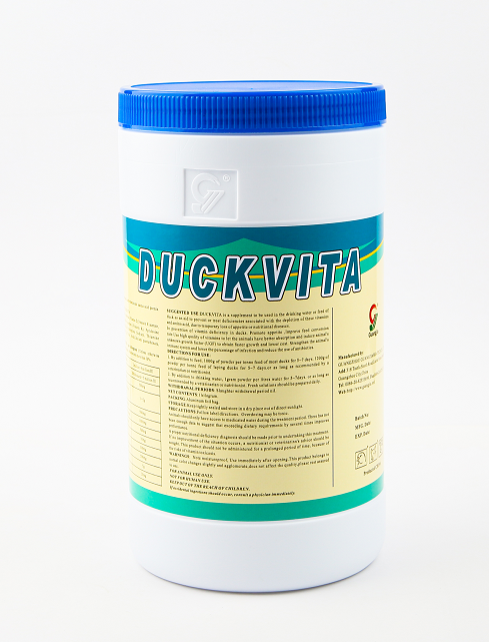
◦ DuckVita (DUCKVITA): A soluble powder feed additive specifically designed for ducks, rapidly replenishing vitamins and amino acids required for normal physiological functions, preventing nutritional deficiencies, while improving feed conversion rate in broilers, promoting bone development and weight gain. It provides adequate nutritional support for duck flocks during winter, strengthening their cold resistance.
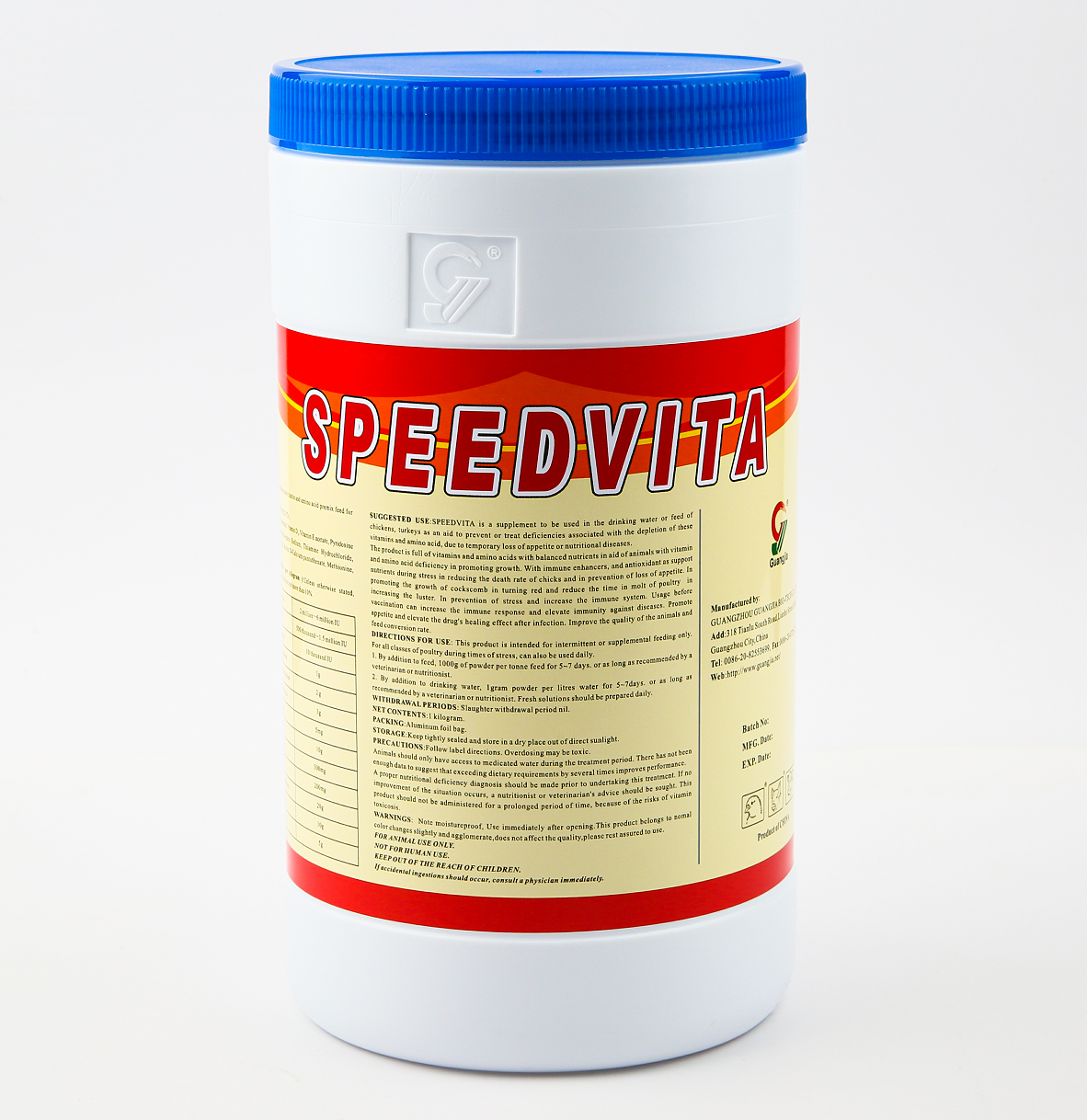
◦ SpeedVITA (Vitamin Supplement): Provides essential nutrients including vitamins and amino acids for livestock, poultry, and aquaculture. It enhances gastrointestinal motility, stimulates appetite, and boosts immunity in ducks and geese. Additionally, it reduces secondary infections caused by cold stress and frostbite, while improving production metrics such as egg-laying rate and survival rate.
III. Postoperative Care Considerations.
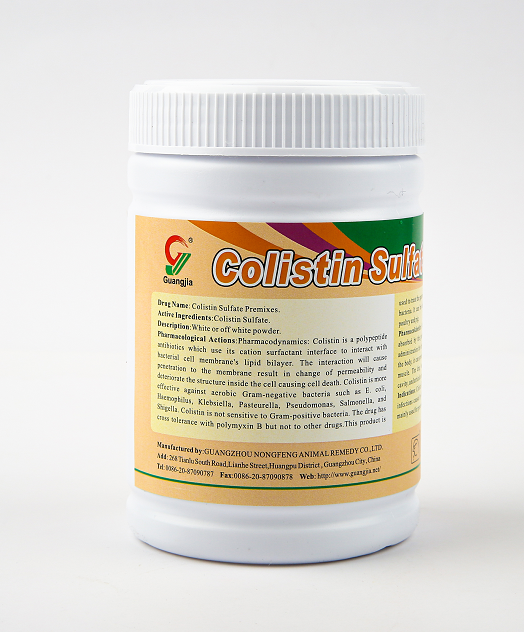
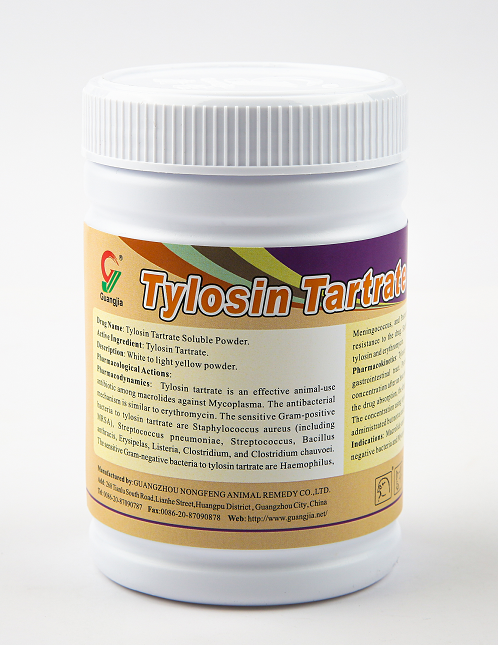
If webbed toes frostbite is observed in ducks or geese, immediate isolation and feeding should be implemented, followed by disinfection of the affected area. If accompanied by symptoms such as diarrhea or cold, symptomatic treatment with medications like nystatin sulfate (for intestinal infections caused by Gram-negative bacteria) or tylosin tartrate (the first-line drug for mycoplasma infections in livestock and poultry, with significant efficacy against respiratory infections) should be administered to prevent disease progression.