

In winter pig farming, many farmers encounter cases of pigs exhibiting salivation and drooling, with some even experiencing sudden death, resulting in significant losses. While the "salivation and drooling" phenomenon in pigs may not necessarily lead to mortality depending on its underlying causes, it is often associated with "death" in pig production, particularly in cases of acute or sudden mortality. In fact, pig salivation and drooling is not a trivial issue, as it may conceal various underlying risks such as oral inflammation, poisoning, or infectious diseases. However, with proactive prevention and timely intervention, the associated risks can be significantly reduced.
I. The most common causes of pig drooling
Under normal circumstances, pigs do not drool. Salivation occurs only when the salivary glands or oral mucosa are stimulated, or when pathological changes occur in the body. The primary causes include the following categories:
1. Oral and salivary gland inflammation: Conditions such as stomatitis, gingivitis, or mucosal damage caused by vitamin deficiency can lead to increased salivary secretion in pigs.
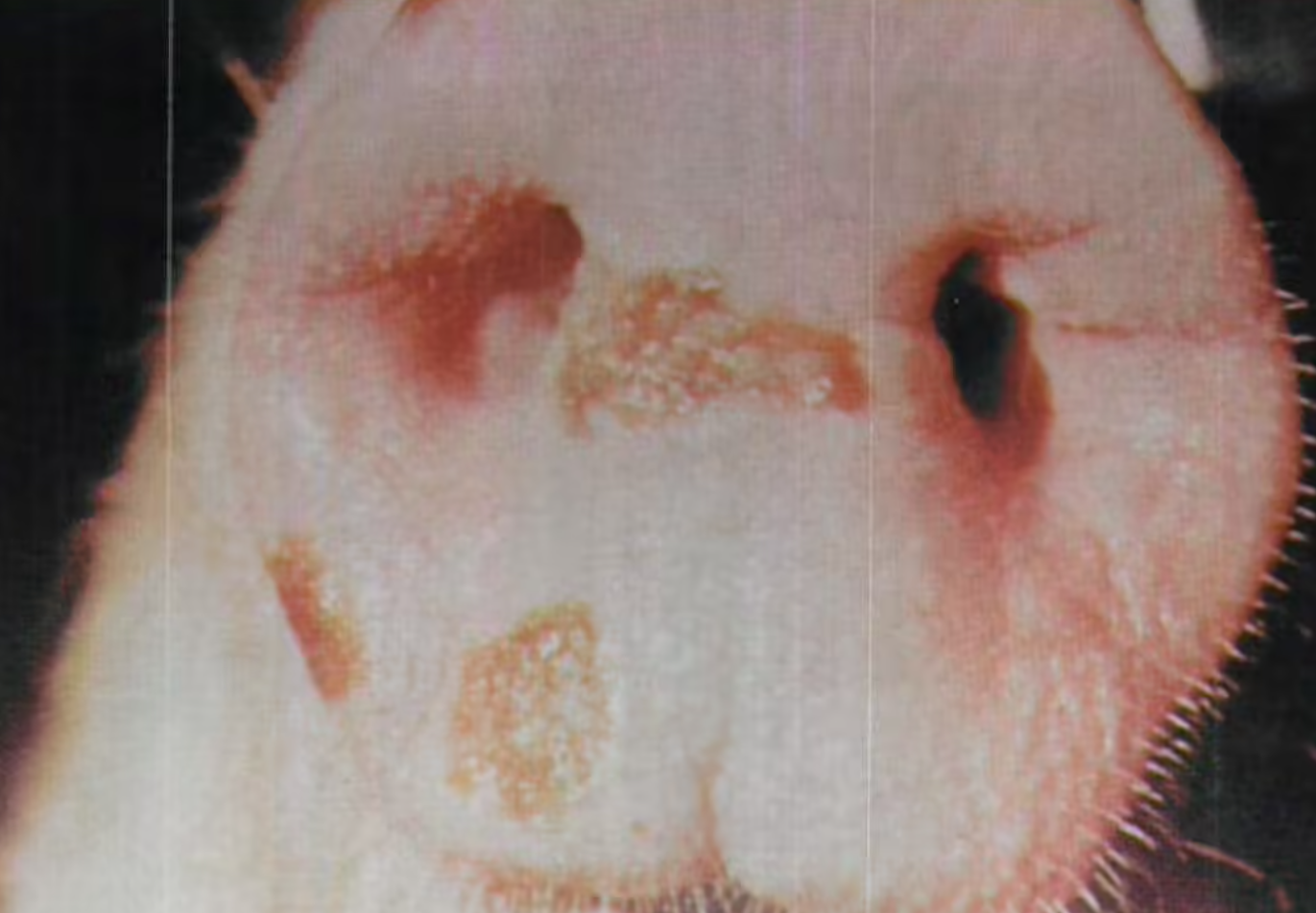
2. Infectious diseases: Diseases such as foot-and-mouth disease (FMD), pseudorabies, and swine fever can directly irritate the oral and respiratory tracts of pigs, leading to salivation. These diseases are also highly contagious and associated with high mortality rates.
3. Toxicity issues: Ingestion of toxic substances such as organophosphates, moldy feed, or nitrites can rapidly induce salivation in pigs, potentially accompanied by convulsions and coma. Without prompt intervention, death may occur rapidly.
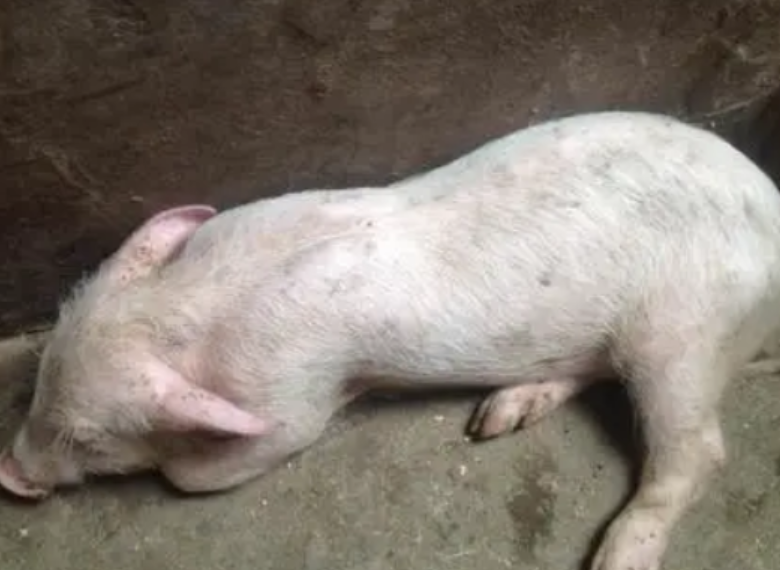
4. Neurological and organ lesions: Conditions such as meningoencephalitis, esophageal obstruction, and tetanus can also cause salivation in pigs, often presenting with acute onset and significant harm.
II. Implement Dual Protective Measures to Reduce Risks of Swallowing Pig Saliva.
1. Enhancing herd immunity to prevent diseases at the source.
Pigs with poor immunity are prone to bacterial invasion, leading to various diseases that cause salivation. Ammonia-Vitamin Vitality can be added to the feed daily to supplement the multiple vitamins and minerals required by sows and fattening pigs, promoting normal physiological functions in pigs. It also enhances the immunity of breeding and fattening pigs, thereby reducing the incidence of disease in the herd.
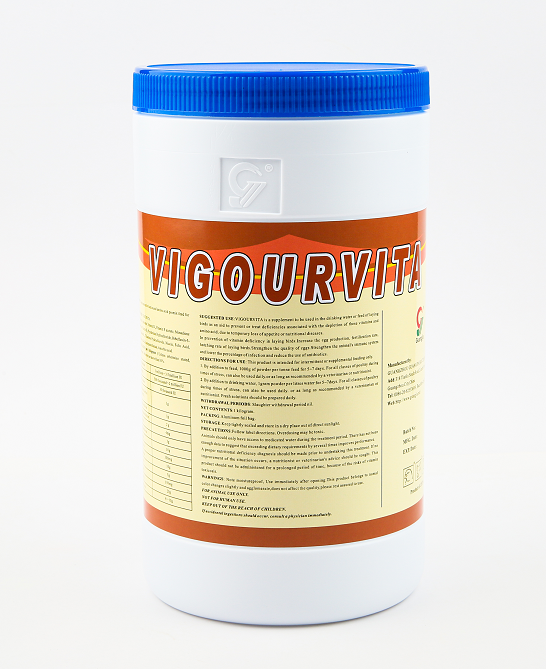
2. Timely nutritional supplementation to repair mucosa and prevent irritation.
Damage to the oral mucosa and digestive tract mucosa in pigs is a significant predisposing factor for salivation. Fubibao can stimulate pig appetite, promote growth and development, and improve mucosal health and hair quality, thereby maintaining reproductive and digestive functions. When added to feed daily, it helps pigs repair oral and digestive tract mucosa, reduces physical and chemical irritants, and decreases the occurrence of salivation.

III. When observing pigs with drooling, the following measures can minimize losses.
1.Isolation: Immediately isolate symptomatic pigs to separate pens to prevent transmission to other pig herds.
2. Symptom observation: Assess the pig's mental status. If convulsions or coma are present, it is highly likely to be poisoning or an acute infectious disease, and veterinary diagnosis should be sought promptly. For mild symptoms such as drooling or oral redness and swelling, initial examination should focus on detecting foreign bodies or inflammation in the oral cavity.
3. Emphasize prevention: Ensure proper disinfection and warmth of pigpens during winter, administer regular vaccinations to the herd, and maintain fresh feed and water to prevent accidental ingestion of toxic substances.
In summary, the spitting and drooling of pigs serve as a 'distress signal' from the body. Farmers must not only recognize the underlying risks but also implement daily protective measures.