

Factors such as low winter temperatures and changes in forage quality can easily lead to reduced feed intake, digestive disorders, and inadequate nutrient absorption in dairy cows, directly resulting in decreased milk production and deterioration of milk quality. By integrating specialized veterinary drugs and feed additives, and adopting a three-pronged approach of "symptom identification, preventive management, and targeted treatment," targeted solutions can be implemented to address winter-related milk production challenges in dairy cows.
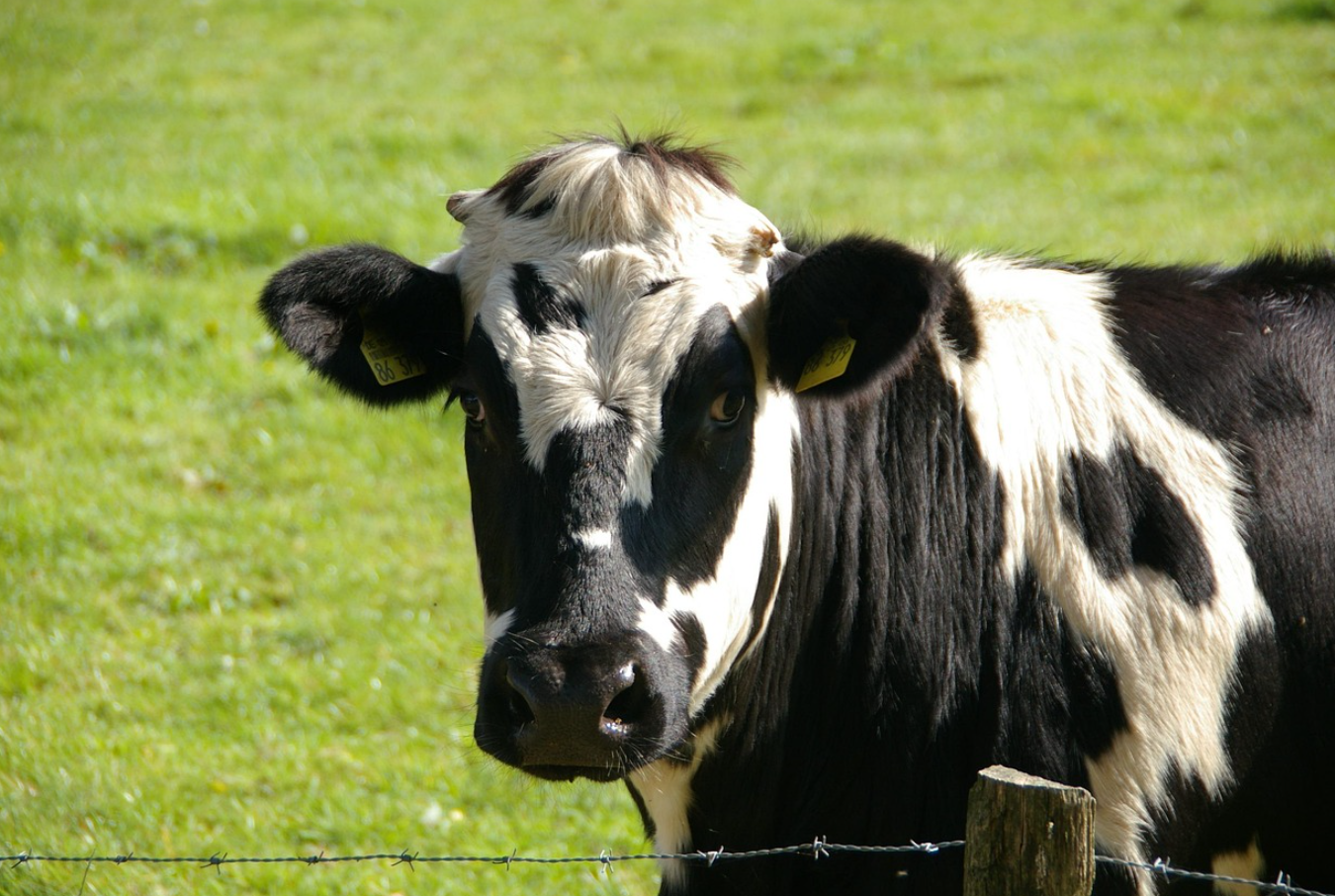
I. Typical Symptoms of Reduced Milk Production in Winter
1. Lactation-related: Significant reduction in daily milk yield, decreased milk fat percentage and protein content; some cows developed mastitis, manifested as breast redness and swelling, resistance to milking, and the presence of flocculent substances in the milk.
2. Digestion and feeding: Decreased appetite, reduced rumination frequency, and symptoms of indigestion, abdominal distension, or diarrhea, with stools being dry and unformed or loose (mostly caused by intestinal microbiota imbalance or pathogenic bacterial infection).
3. Nutritional Metabolism: Due to nutrient loss in feed or poor digestion and absorption, dairy cows exhibit rough coat and emaciation. Postpartum cows are prone to metabolic diseases such as postpartum paralysis and retained placenta, which indirectly affect lactation.
II. Preventive Measures for Milk Production Enhancement in Winter Cows.
1. Environmental and Feeding Management: Ensure proper insulation and wind protection in the cowshed, maintain dry floors to prevent digestive discomfort in dairy cows caused by cold exposure; adjust feeding schedules to administer feed during warmer periods while maintaining water temperature at 10-15°C to minimize gastrointestinal irritation from low temperatures.
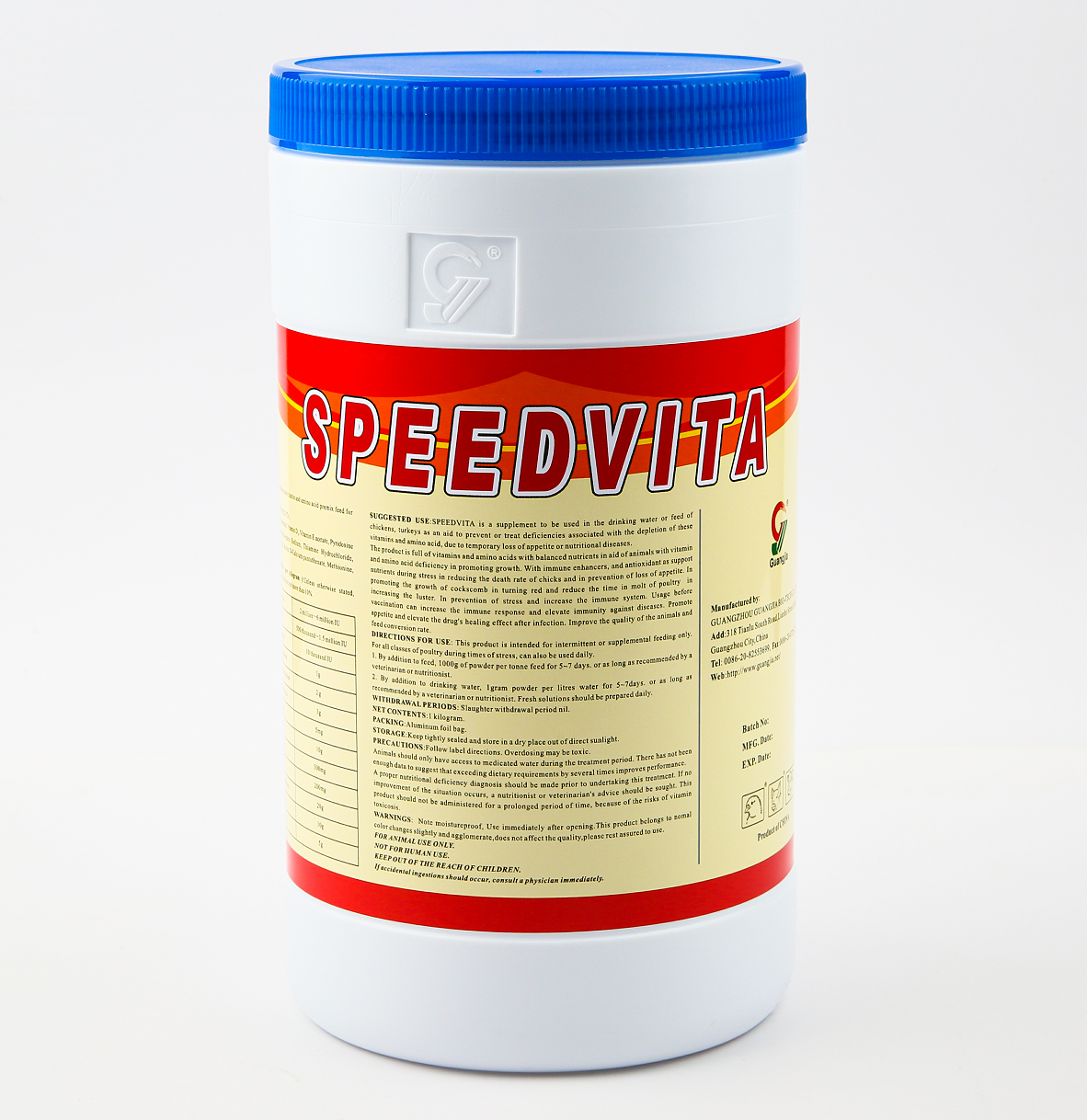
2. Nutritional optimization of feed by increasing the proportion of high-quality roughage such as silage and alfalfa, combined with energy and protein feeds; regular supplementation of vitamins (SPEEDVITA) in the diet to meet the nutritional requirements of dairy cows, promote gastrointestinal motility, enhance appetite, ensure adequate nutrient intake at the source, and prevent milk yield reduction due to nutritional deficiency.
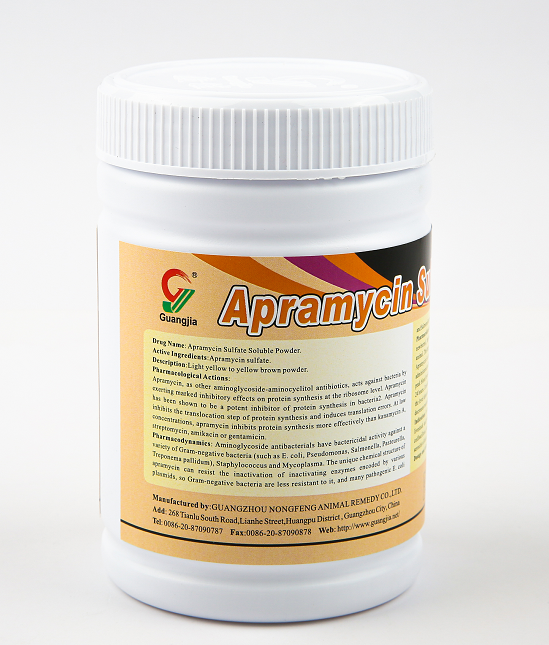
3. Intestinal Health Protection: Regularly clean feed troughs and water troughs to prevent feed mold and water source contamination. Add a small amount of probiotics to the feed monthly to regulate intestinal microbiota balance and reduce the risk of intestinal infections caused by Gram-negative bacteria. If signs of infection are detected, prophylactic treatment with ampicillin sulfate can be administered in advance.
III. Symptomatic Treatment for Winter Milk Cow Production Reduction.
1. Production reduction caused by intestinal infection: If dairy cows develop diarrhea and a sharp decline in feed intake due to Gram-negative bacteria, promptly administer ampicillin sulfate (an aminoglycoside antibiotic) to target intestinal infection and restore digestive function. This rapidly improves the cows' feeding and digestive status, providing a foundation for lactation.
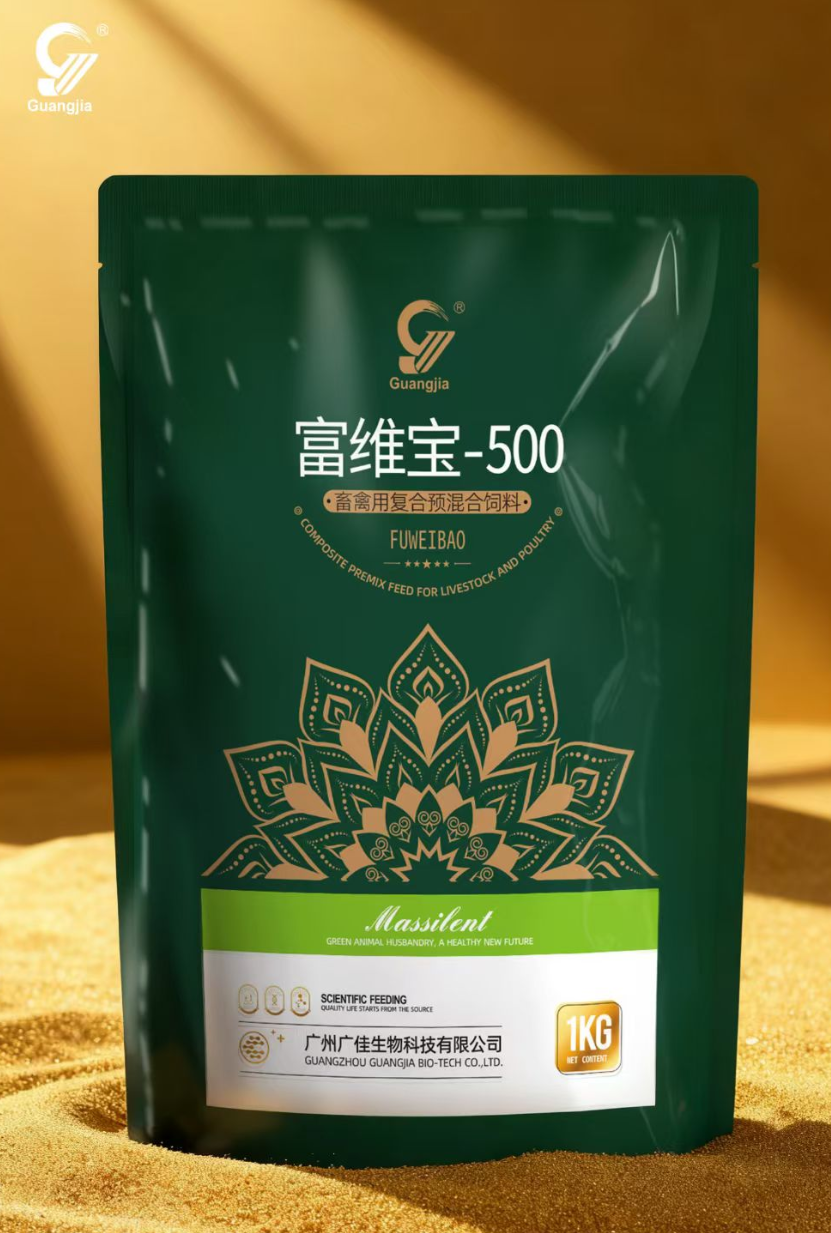
2. Lactation deficiency caused by nutritional deficiency: If dairy cows exhibit emaciation and persistently reduced milk production, continuous supplementation with vitamins (SPEEDVITA) should be administered to rapidly replenish vitamins, amino acids, and other nutrients. Concurrently, ENERGYVITA should be administered to stimulate appetite, promote growth and development, thereby improving the cows' physical condition and enhancing lactation performance.
3. Lactation issues associated with mastitis: When dairy cows suffer from mastitis, in addition to specialized mastitis treatment drugs, tilmicosin can be administered. This medication exhibits potent inhibitory effects against the primary causative bacteria of mastitis and concurrently prevents and treats gastrointestinal infections, thereby avoiding further complications that may impair milk production. It demonstrates broad-spectrum antibacterial activity and accelerates the recovery of dairy cows.
