

Sheep pox is an acute infectious disease that poses significant threats to sheep farming, characterized by rapid onset and high mortality rates, often causing sudden financial losses to farmers. In accordance with the practical needs of disease prevention and control in livestock farming, we provide a comprehensive analysis from disease characteristics, diagnostic methods to control measures.
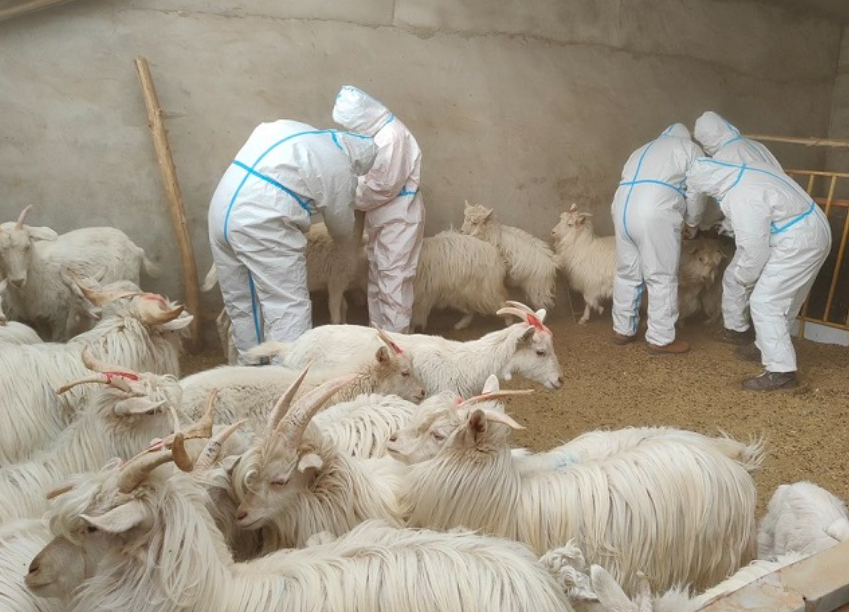
I. The "Fatal Characteristics" of Ovine Peste Desseintres: Rapid Onset and Severe Damage.
Ovine peste, caused by Clostridium perfringens, is a Gram-positive anaerobic bacillus. It predominantly occurs in winter and spring, with adult sheep being the high-risk population, and is an acute fatal infectious disease in sheep.
1. Acute onset and short course: Affected sheep often die suddenly without prior symptoms, with some exhibiting only depression and social withdrawal, dying within hours.
2. High-incidence characteristics: Predominantly occurs in winter and spring, with adult sheep being the primary susceptible population. Infection occurs via the digestive tract, and improper feeding management in endemic areas may lead to mass outbreaks.
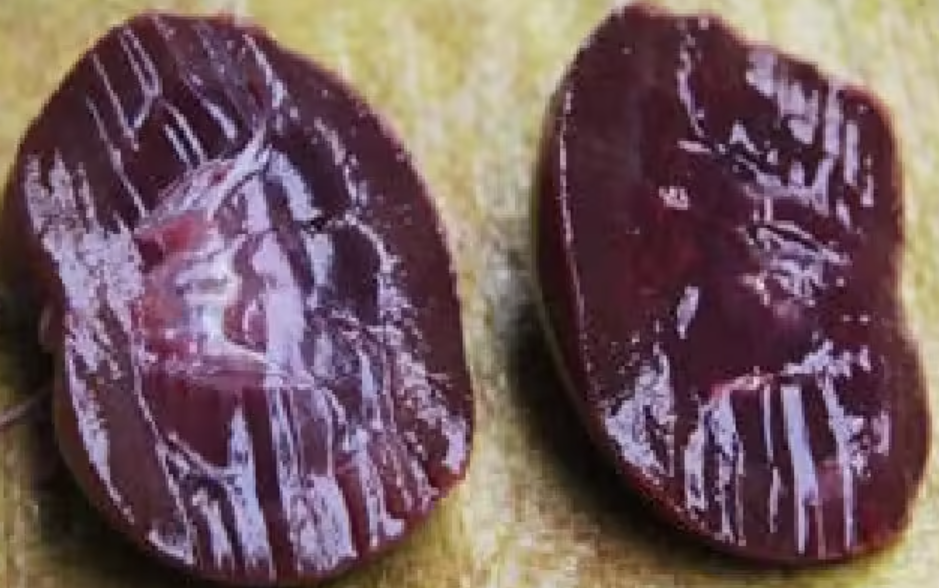
3. Pathological features: Anatomical examination revealed necrosis of the true gastric mucosa, intestinal ulcers, serosal hemorrhage in the affected sheep, as well as fluid accumulation in the pleural cavity, peritoneal cavity, and pericardium. The intestinal contents were also observed to contain numerous small air bubbles.
Since the clinical symptoms of sheep pox are not obvious during the active phase, diagnosis requires integration of pathological features and laboratory tests:
1. Preliminary on-site assessment: If a sheep dies suddenly and autopsy reveals acute inflammation of the fourth stomach and duodenum, along with characteristics such as liver swelling with pale color and peritoneal effusion, it may be preliminarily suspected of having sheep peste or sudden death syndrome (SDS).
2. Laboratory confirmation:
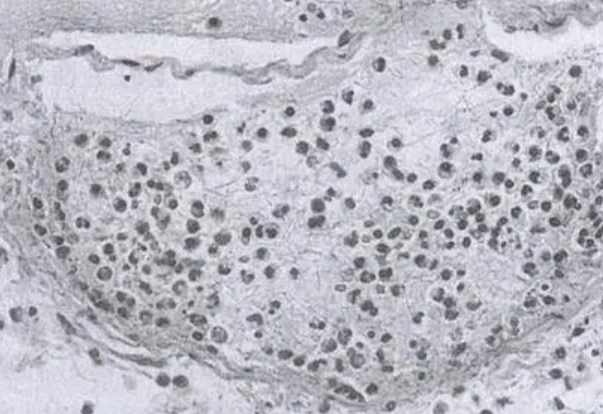
◦ Collect liver, blood, spleen, and other organs from diseased sheep for pathogen detection. Clostridium perfringens shows the highest detection rate in the liver, with microscopic examination revealing bacteria with blunt, rounded ends and filamentous bacterial bodies without joints.
• Perform bacterial isolation and culture, experimental animal infection tests, or utilize fluorescent antibody technology for rapid diagnosis when necessary.
III. Prevention and Control of Ovine Peste: Vaccination + Management + Medication, Triple Protection
1. Core prevention and control: In endemic areas, sheep should be regularly vaccinated with the sheep parvovirus-acute respiratory syndrome (SPAS) bivalent vaccine. Emergency immunization can also be administered in cases of sudden onset to effectively block the transmission of pathogens.
2. Basic Management: Reduce infection risks by avoiding feeding sheep with frozen or moldy feed during winter and spring seasons, promptly relocating livestock from epidemic areas, maintaining dry and well-ventilated pens, and minimizing the probability of gastrointestinal infections.
3. Supportive Measures: Pharmacological and Nutritional Support
◦ Fluenamycin: As a broad-spectrum amide alcohol antibiotic, it specifically inhibits bacterial infections. If signs of suspected infection appear in the flock, it can be used for the prevention and treatment of bacterial complications, alleviating secondary issues caused by respiratory and bacterial infections, thereby buying time for vaccine immunization.

◦ Fubai Bao: A feed additive that stimulates sheep appetite and enhances immunity. Administered during the winter-spring susceptibility period, it strengthens the body's resistance, reduces the probability of disease invasion, and simultaneously improves growth status and reproductive function, contributing to healthy livestock farming.

Although sheep peste is a highly dangerous disease, the risk of infection can be significantly reduced by implementing proper vaccination and daily management, combined with appropriate medications and nutritional additives. Farmers must continuously monitor the condition of their flocks and take timely measures upon detecting abnormalities to safeguard their breeding profits.