

The sudden temperature drop in winter poses a silent threat to poultry health due to hard beak disease in enclosed poultry houses. Without timely prevention and control, it may lead to feed refusal, emaciation, and mortality, particularly causing severe harm to chicks and laying hens. Below is a practical guide for rapid identification, emergency response, and routine prevention to safeguard breeding profits.
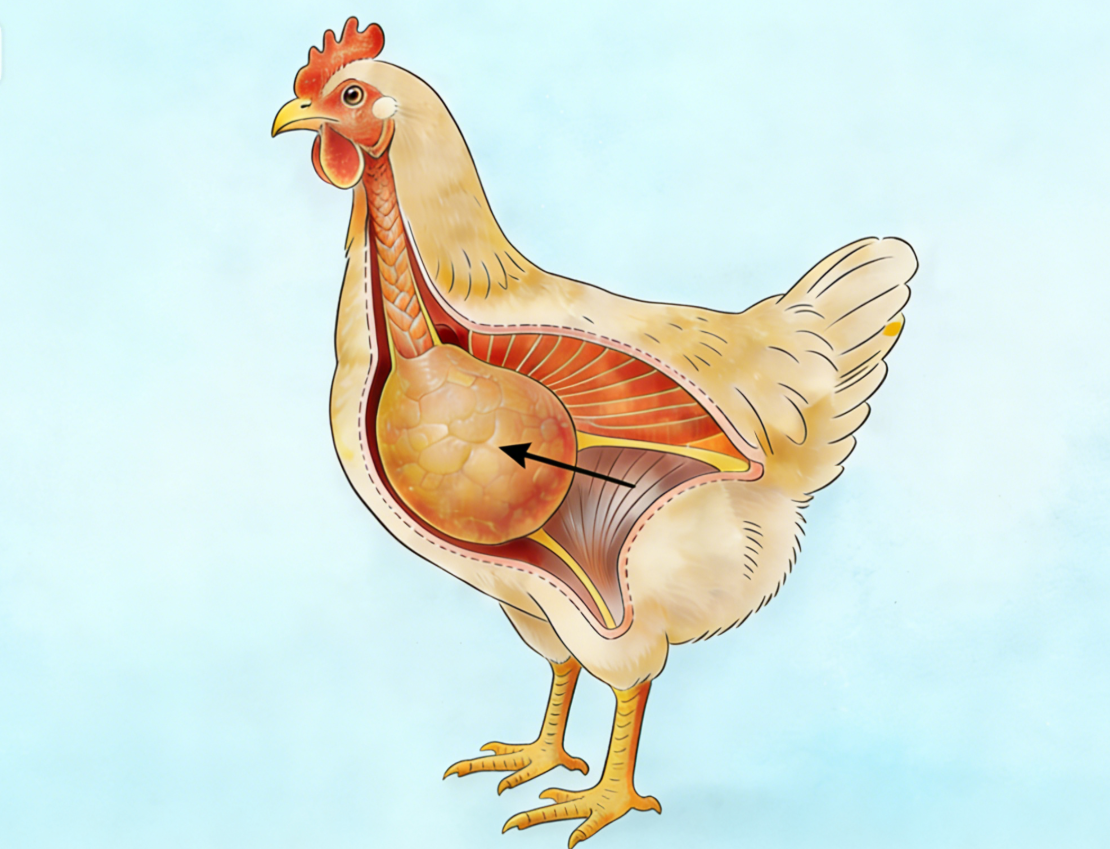
I. Why is it highly prevalent in winter?
Hard beak disease is a digestive disorder characterized by the formation of hard masses in the crop due to feed coagulation. Its high incidence during winter is primarily attributed to three factors:
• Low temperatures impair digestion: Poultry metabolism slows down, and the peristaltic motility of the crop decreases, leading to feed clumping and retention.
• Improper feeding stimulation: Feeding refrigerated dry feed, ice-cold water, or excessive single-dose feeding may directly damage the crop mucosa.
• Increased confinement effects: Inadequate ventilation causes feed to become damp and clumpy, coupled with reduced poultry activity, leading to slower digestive peristalsis.
II. Rapid Recognition of 3 Signals.
• Hard and enlarged sac: feels like a stone upon palpation, lacks elasticity upon pressure, with frequent head-shaking in the early stage but no further resistance in the later stage.
• Abstinence from feeding and depression: refusal to eat or drink, fluffing of feathers, head bowed and neck retracted, unsteady gait.
• Abnormal feces, emaciation, and mortality: In the early stage, fecal output decreases and becomes dry; in the later stage, hard feed lumps are vomited, with mortality rate exceeding 50% in young birds.
✅ Note: In cases of common indigestion, the crop is soft and can be pressed to expel the feed. However, in hard crop disease, pressing is unresponsive, and the hard lump is difficult to dissipate.
III. Four-Step Stop-Loss in Emergency Response.
1. Isolation and feeding cessation: Transfer the affected poultry to a warm and dry environment, cease feeding, and provide only warm water (10-20°C, which may be supplemented with heated brown sugar water).
2. Softening and drainage: Gently massage the crop (5-10 minutes per session), followed by administration of warm saline solution or warm water + edible oil to soften the hard masses.
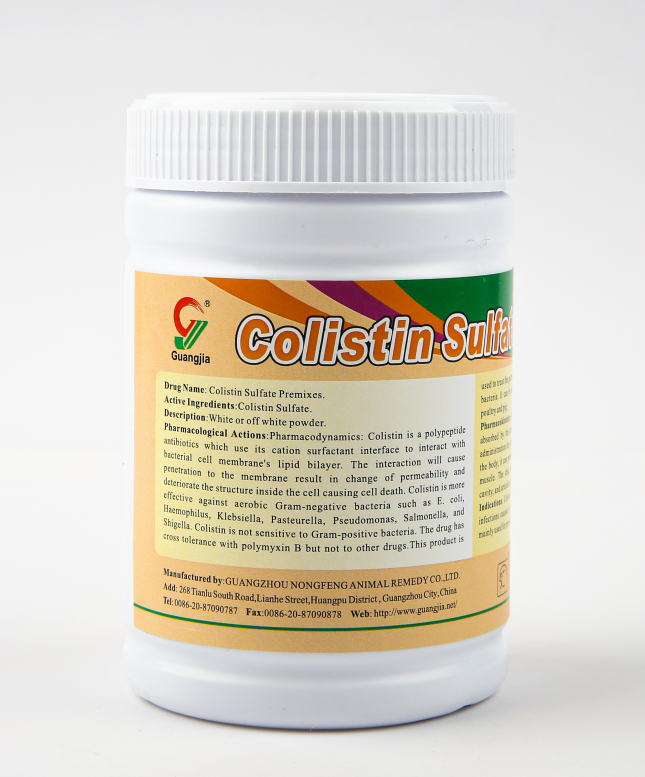
3. Symptomatic management: After the expulsion of the hard mass, add Fuyibao to the feed to repair mucosa and restore digestion, combined with nisin sulfate to prevent secondary infection. Initially, provide warm and moist feed in small, frequent amounts.
4. Culling of severe cases: Timely culling of diseased poultry unable to stand or with indurated masses that cannot be expelled to reduce losses.
IV. Four Core Elements of Daily Prevention and Control.
1. Water temperature control: Dry feed should be preheated, and drinking water should be maintained at a constant temperature above 10°C using a thermostatic device. The water temperature for young poultry should be controlled between 20-25°C.
2. Frequent small-amount feeding: Administer 3-4 times daily, with each feeding lasting 1-2 hours. The dry feed may be mixed into warm, moist feed at approximately 30°C.
3. Temperature stabilization and stress prevention: Maintain the core temperature of poultry houses at ≥15°C, adjust the temperature in brooding houses according to age, and avoid direct cold air blowing into feeding areas.
4. Enhancing Digestive Function: Regularly add Fuyibao to food or drinking water to supplement nutrition and enzyme preparations. Use warm brown sugar water once or twice weekly to stimulate gastric motility.

V. Avoiding 3 Common Misconceptions.
• ❌ Forceful compression of the hard mass: may damage the crop mucosa and even cause rupture.
• ❌ Continued feeding after onset: may exacerbate obstruction and delay treatment.
• ❌ Insulation without ventilation: Moisture retention and mold growth in feed can easily induce diseases.
Winter poultry farming is challenging, and the prevention of hard beak disease (HBD) outweighs its treatment. By ensuring proper insulation of feed and water, adjusting feeding methods, and implementing scientific preventive measures with Fuyibao and nisin sulfate, poultry can safely survive the winter and maintain stable growth.